
Riverton Foundation Pros
Basement Waterproofing in Draper, UT
Basement waterproofing in Draper, UT installs interior drains and sump systems to stop seasonal seepage, with free estimates and written scope of work.
- 15+ Years local experience
- 500+ Projects completed
- Licensed & Insured
Serving Draper and nearby communities.
Basement waterproofing manages moisture and hydrostatic pressure coming through foundation walls, which is a separate problem from a structural crack even though the two often show up together. Draper's housing stock is mostly full basements, so when spring snowmelt saturates the surrounding soil, that moisture has to go somewhere, and without a working drainage path it finds the nearest wall or floor joint.
Riverton Foundation Pros traces the actual moisture source before installing anything, because sealing a wall that's getting pushed by groundwater from below just moves the leak to the next weak spot. An interior drain tied into a sump system handles that water before it ever reaches the living space.
What's included
What's included with Basement Waterproofing
Typically included: Optional: Customer prep:
- Moisture source assessment and drainage review
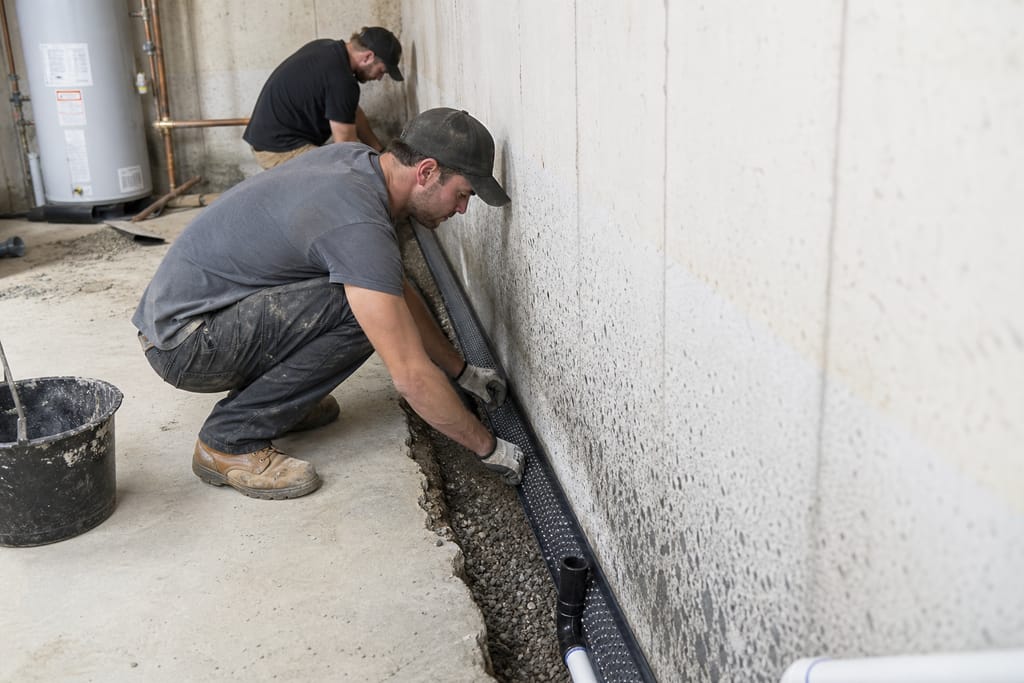
- Interior drain tile installed along the basement perimeter
- Sump pump installation and discharge line routing
- Wall sealing with a waterproof coating
- Battery backup pump for power-outage protection
- Vapor barrier sheeting on exposed foundation walls
- Clear storage along basement walls and near the planned drain path
- Note which wall or corner shows seepage first after a storm
Want a clearer scope?
Get a Free EstimateHow it works
How our Basement Waterproofing process works
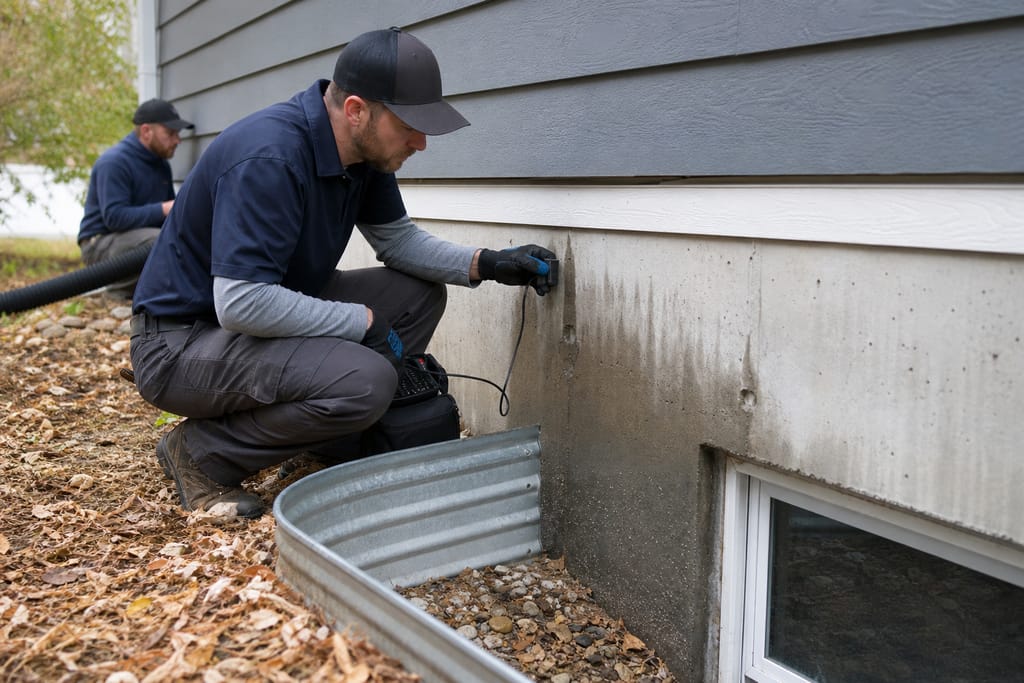 Step 1
Moisture Assessment
The basement is inspected for leaks, dampness, and water entry points.
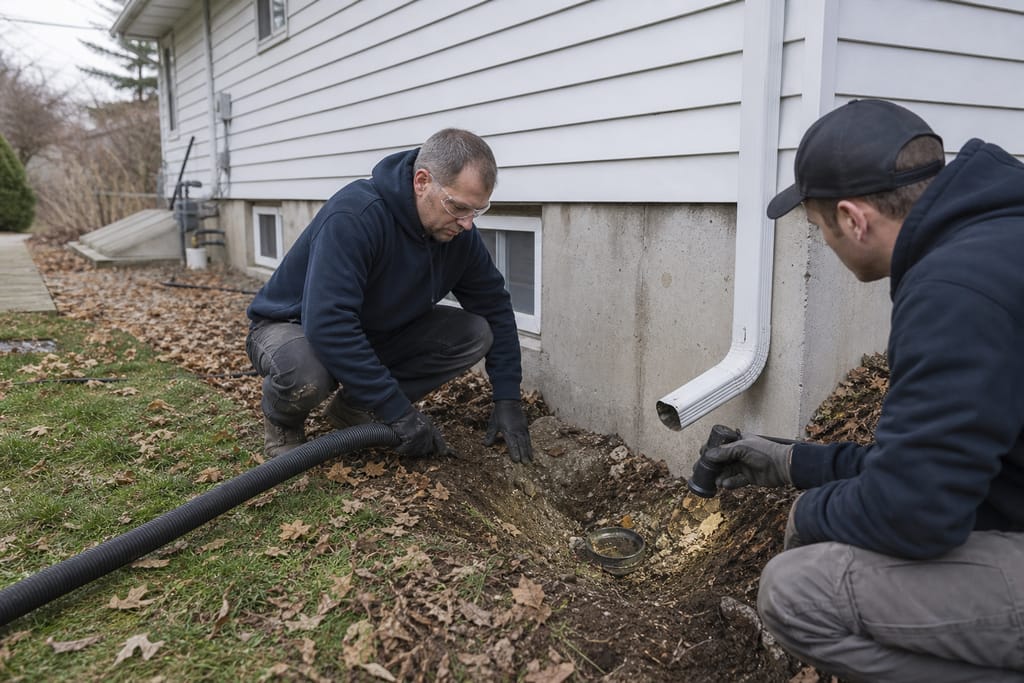 Step 2
Drainage Evaluation
Existing drainage systems are reviewed for effectiveness and blockages.
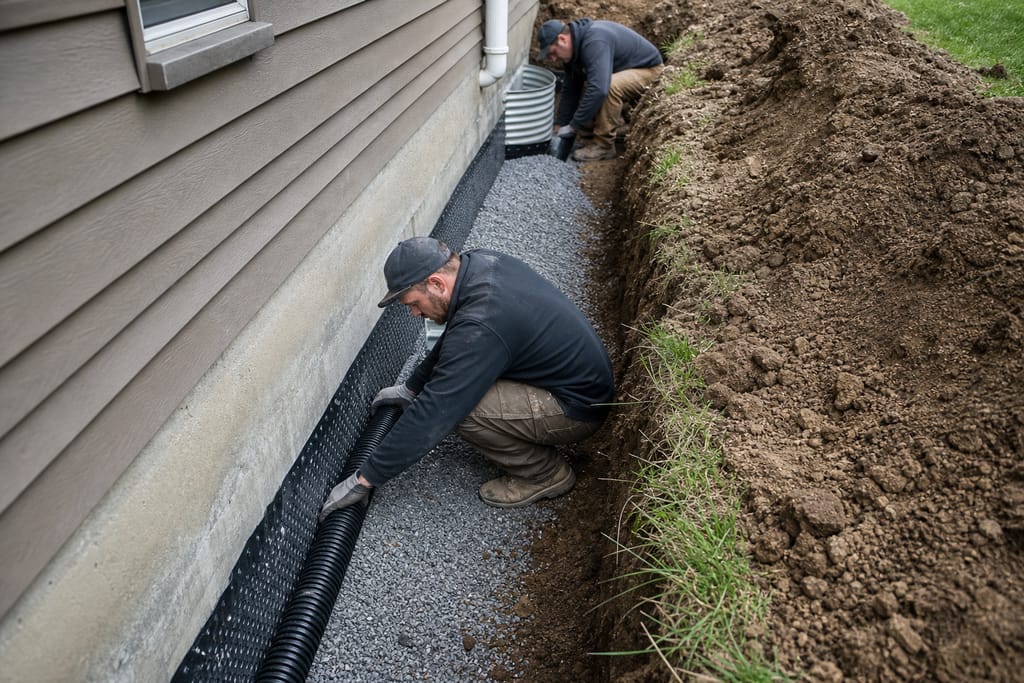
 Step 3
Interior Drain Installation
A drainage channel is installed along the basement perimeter to collect water.
 Step 4
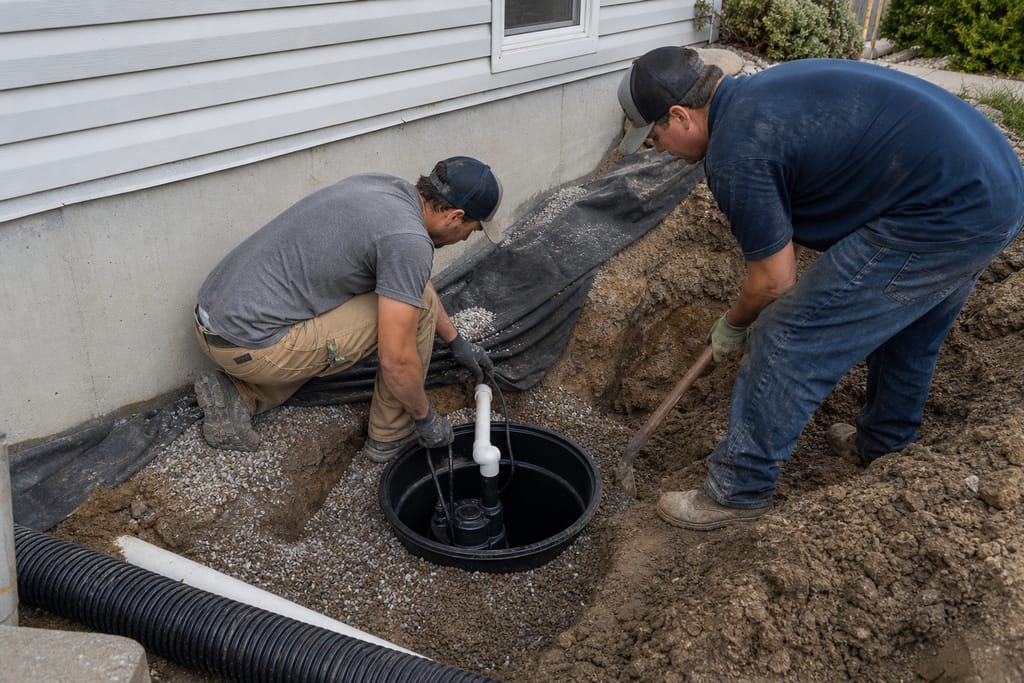
Sump Pump Setup
A pump system is installed to remove collected water from the area.
 Step 5
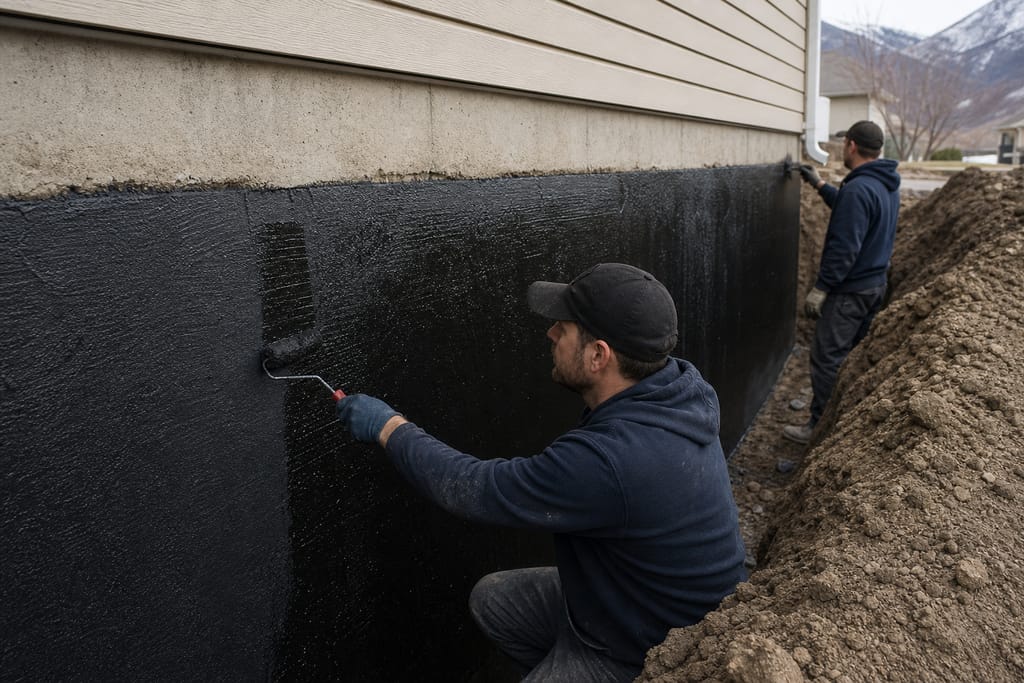
Wall Sealing
Walls are treated with waterproof coatings to prevent moisture intrusion.
 Step 6
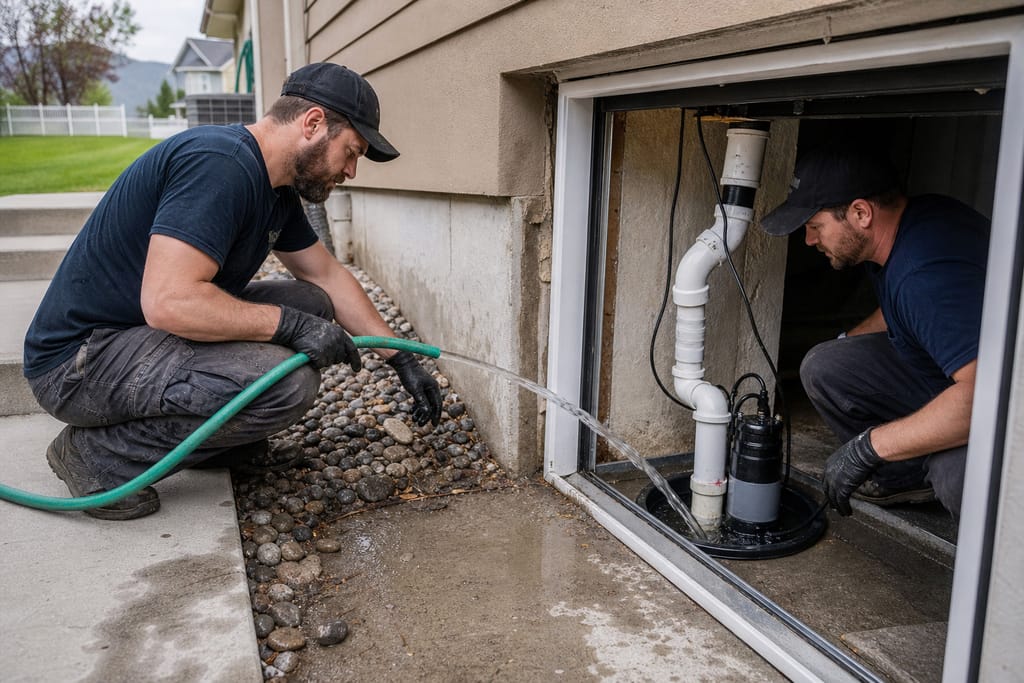
System Testing
The waterproofing system is tested to verify proper function.
Materials
Materials and methods for Basement Waterproofing
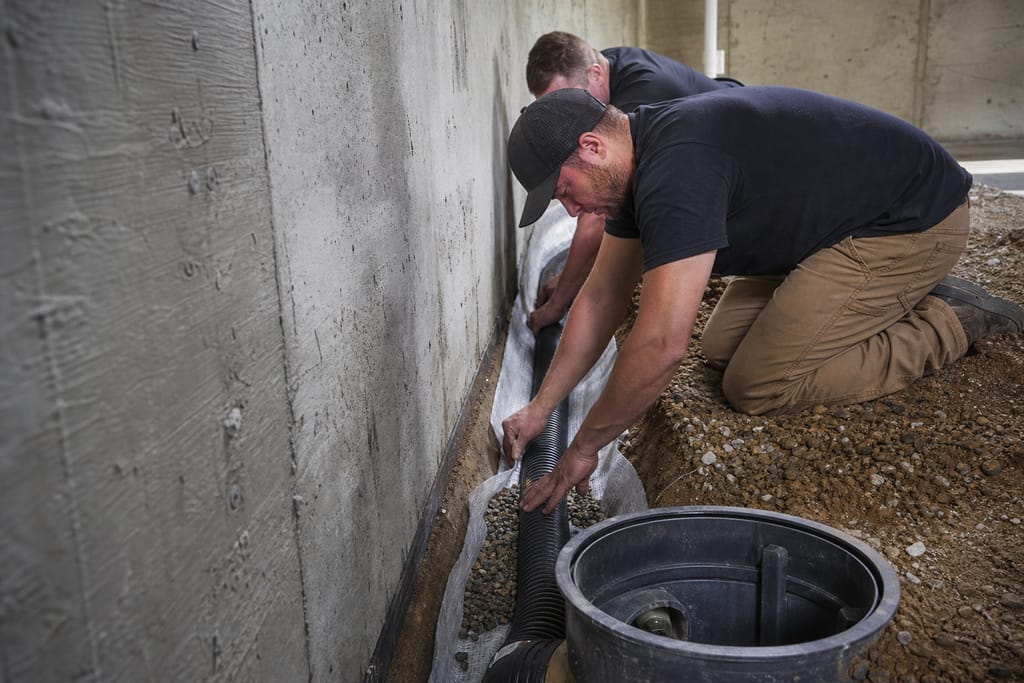
Interior Drain Tile
Runs along the basement perimeter to catch water before it reaches the floor, built for the volume Utah's spring snowmelt pushes through clay soil.
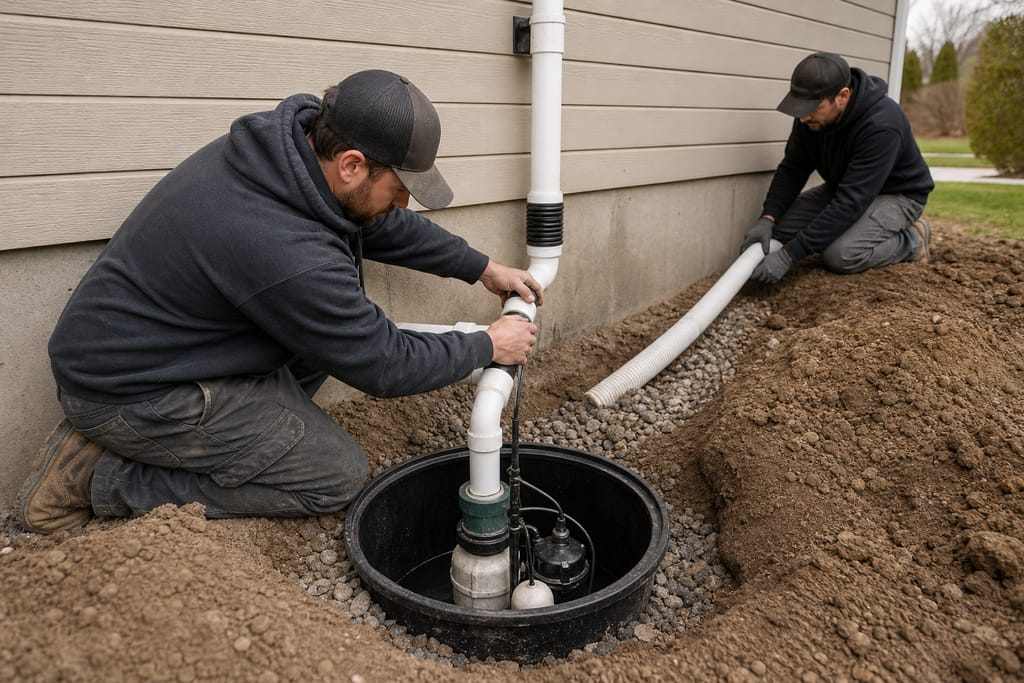
Sump Pump System
Pumps collected water out and away from the foundation on a reliable cycle.
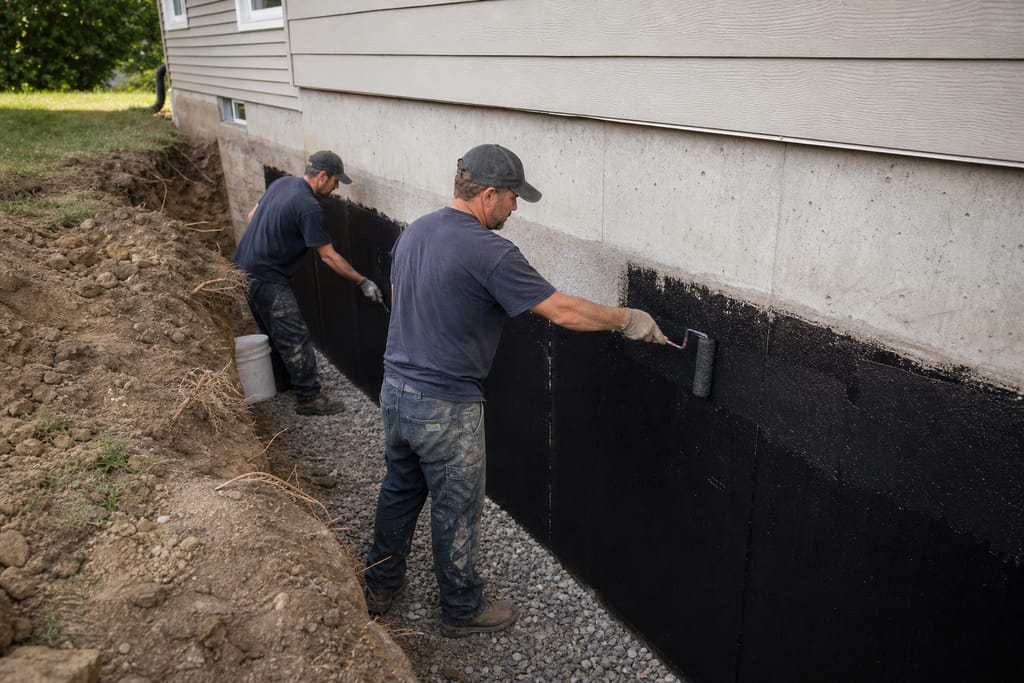
Waterproof Wall Coating
Blocks moisture from wicking through block or poured walls after the drain is in.
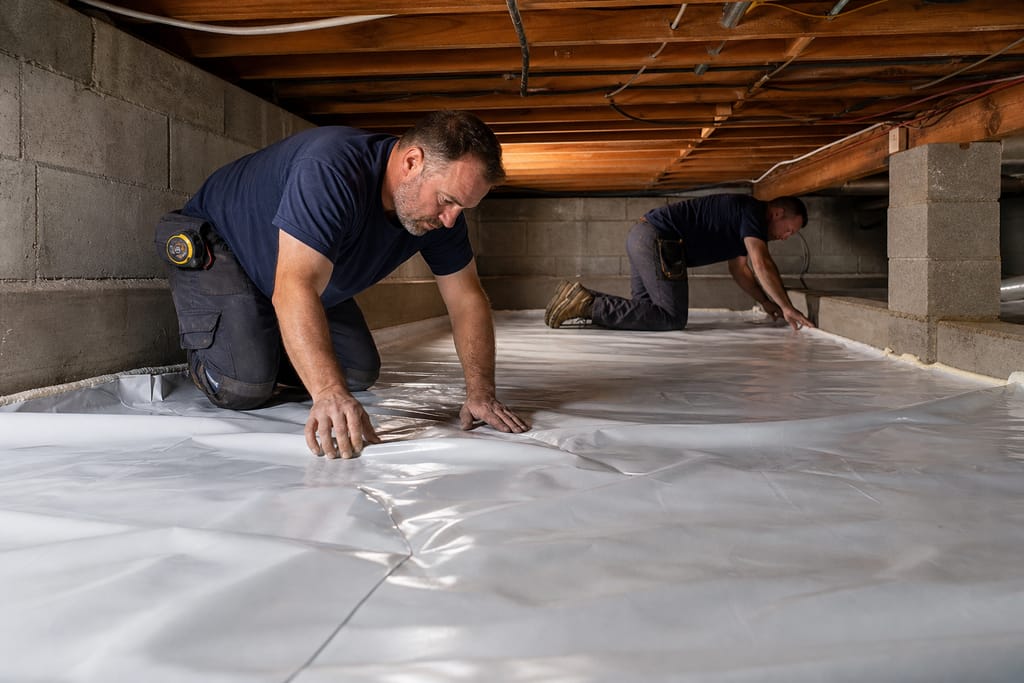
Vapor Barrier Sheeting
Cuts humidity transfer from soil through exposed concrete, useful in Draper's older unfinished basement sections.
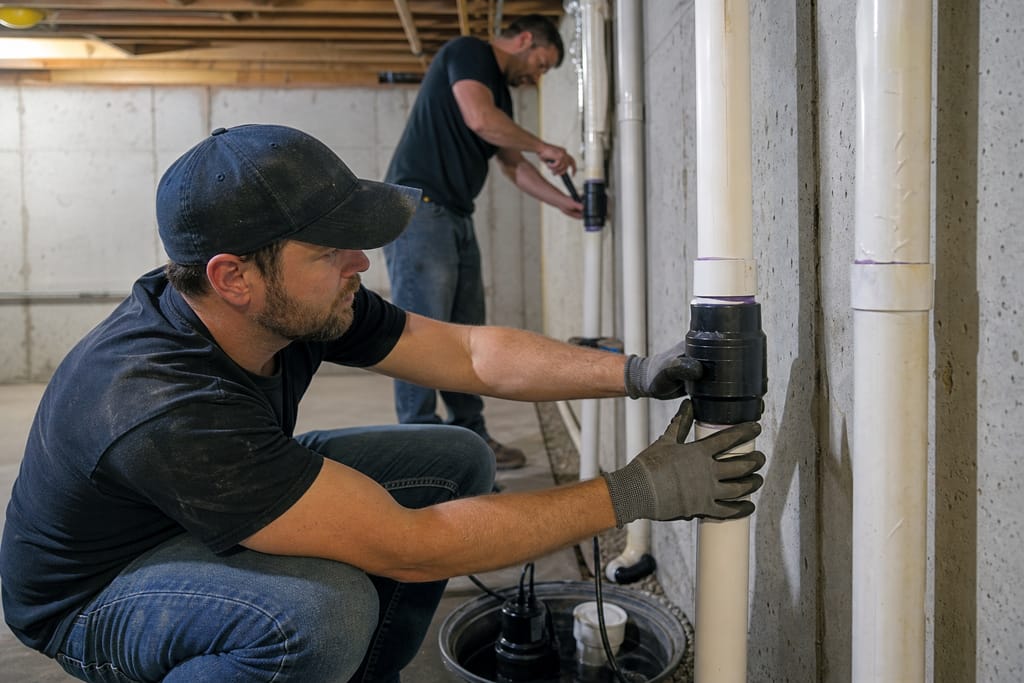
Check Valve
Stops discharged water from siphoning back into the sump pit between pump cycles.
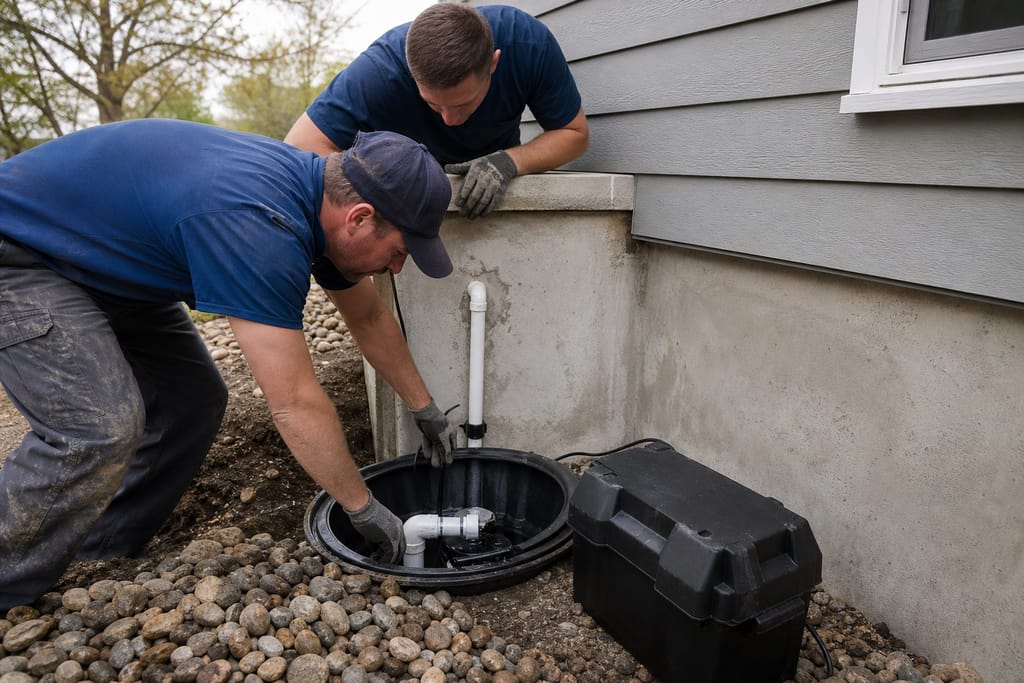
Battery Backup Pump
Keeps the system running during a power outage, which tends to hit hardest during the same spring storms causing seepage.
Questions on materials?
Get a Free EstimateWhen to call
When to call for Basement Waterproofing
Call Riverton Foundation Pros for a free estimate before the next storm cycle makes it worse.
- Recurring dampness along the same wall every spring
- A musty smell that won't clear with normal ventilation
- Visible water seepage at a wall-floor joint after rain
- Efflorescence (white mineral residue) building up on basement walls
Seeing warning signs?
Get a Free EstimateBefore & after
Before and after Basement Waterproofing results
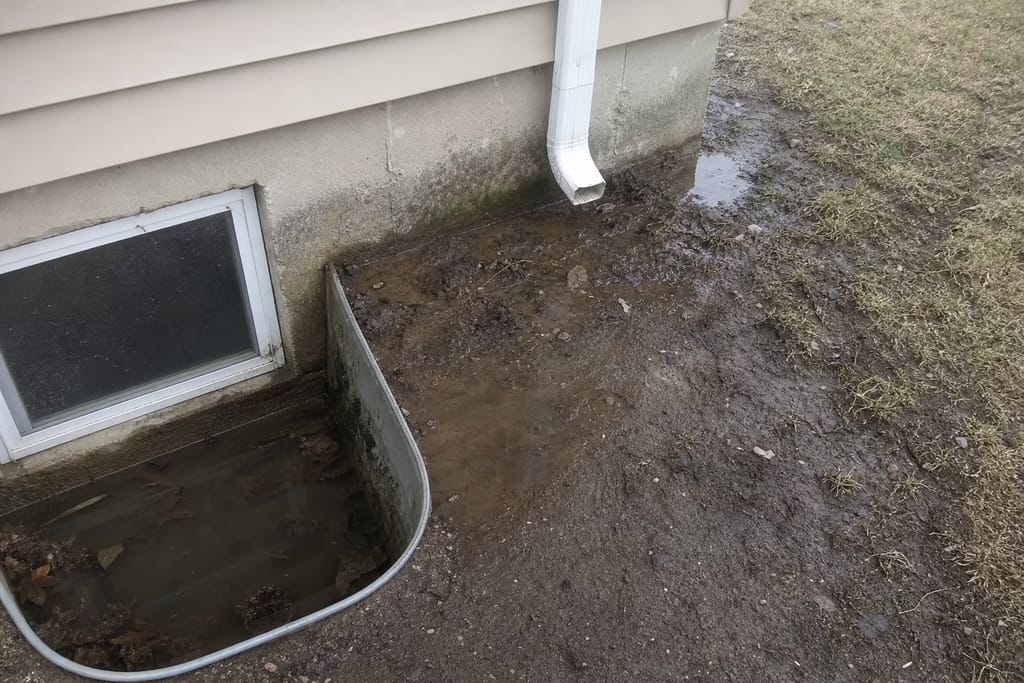
Before 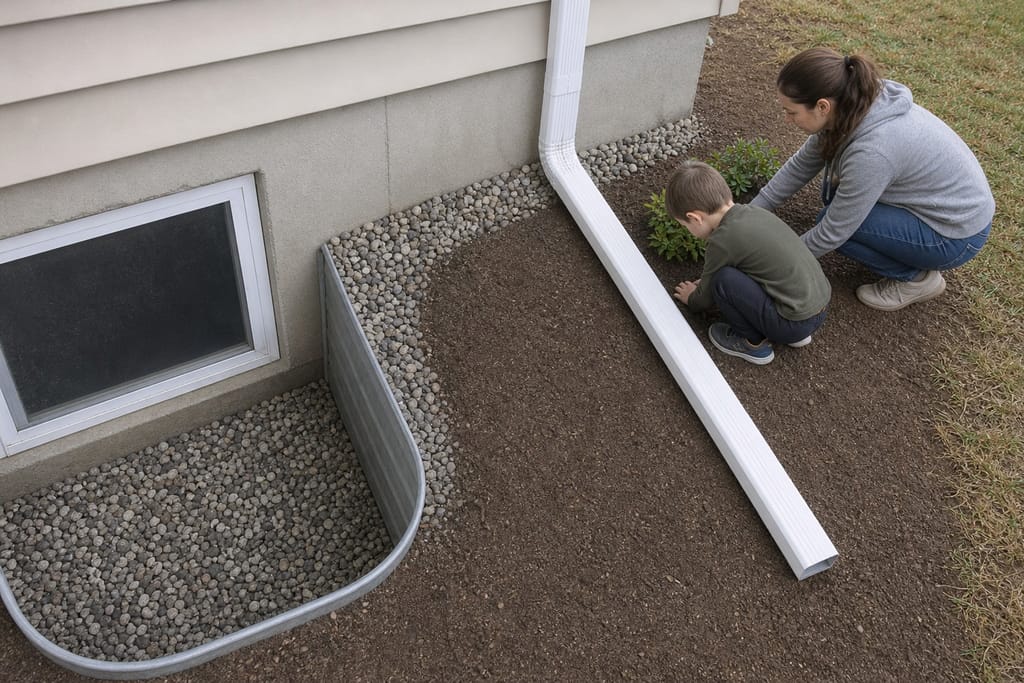
After
FAQs
Basement Waterproofing FAQs
Does clay soil in Utah cause more foundation problems than sandy soil?
Clay soil expands when wet and shrinks when dry, which puts more cyclical pressure on foundation walls than sandy soil typically does. That swelling and shrinking is a common driver of both seepage and the pressure that leads to bowing walls.
How much does basement waterproofing cost?
Cost depends on perimeter length and whether a sump system is being added new or tied into an existing one. A partial interior drain on one wall costs less than a full-perimeter system with sump and backup pump.
How long does basement waterproofing take?
An interior drain and sump installation typically takes one to two days depending on basement size and perimeter length.
Do I need a permit for basement waterproofing?
Interior drainage and sump installs usually don't require a permit. Exterior excavation work tied to waterproofing sometimes does, check with the local building department before exterior digging starts.
Is DIY basement waterproofing a good idea?
Paint-on sealants can slow minor dampness but don't stop hydrostatic pressure pushing water through a wall over time. A proper fix manages the water before it reaches the wall, which isn't something a sealant alone can do.
Next step
Get a Basement Waterproofing estimate in Draper
Call Riverton Foundation Pros at +1 (385) 600-7881 or request a free estimate before the next wet season starts.
More services
Other Foundation Repair services
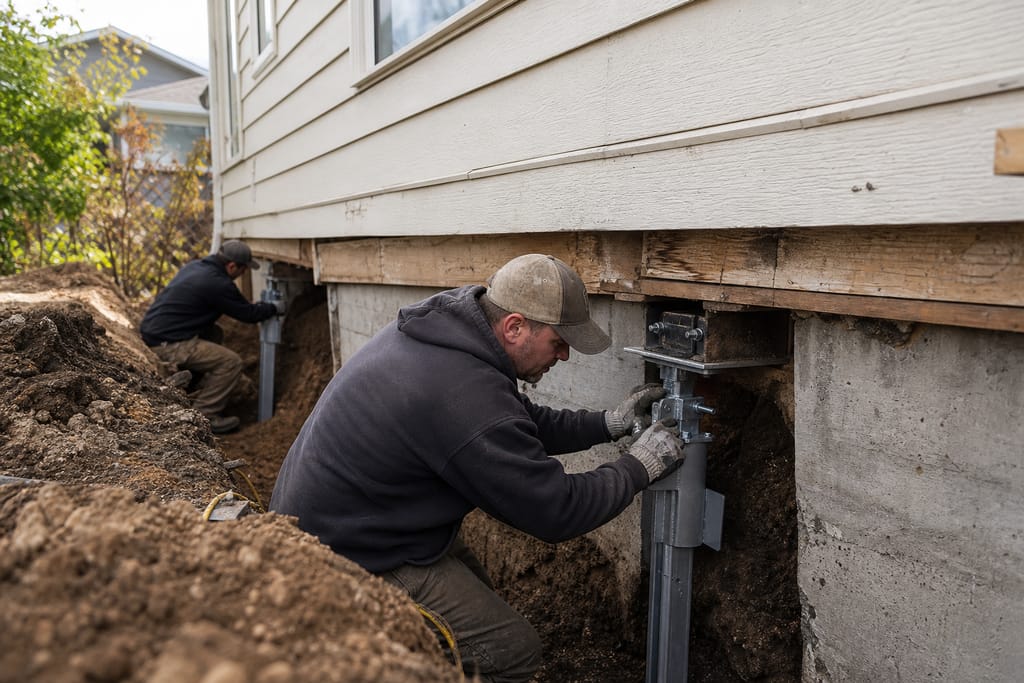
Foundation Repair
Foundation repair in Draper, UT: crack injection, piering, and wall stabilization with free estimates.
Piering and Underpinning
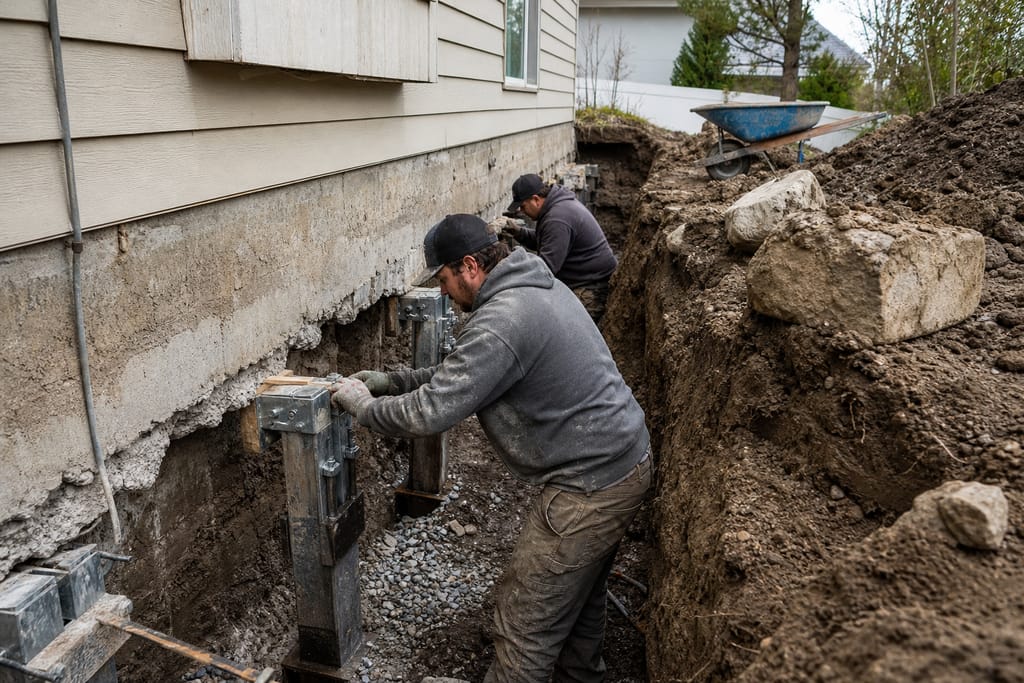
Piering and underpinning in Draper, UT uses steel push or helical piers to stop foundation settlement, with free written estimates before any digging.
Wall Stabilization
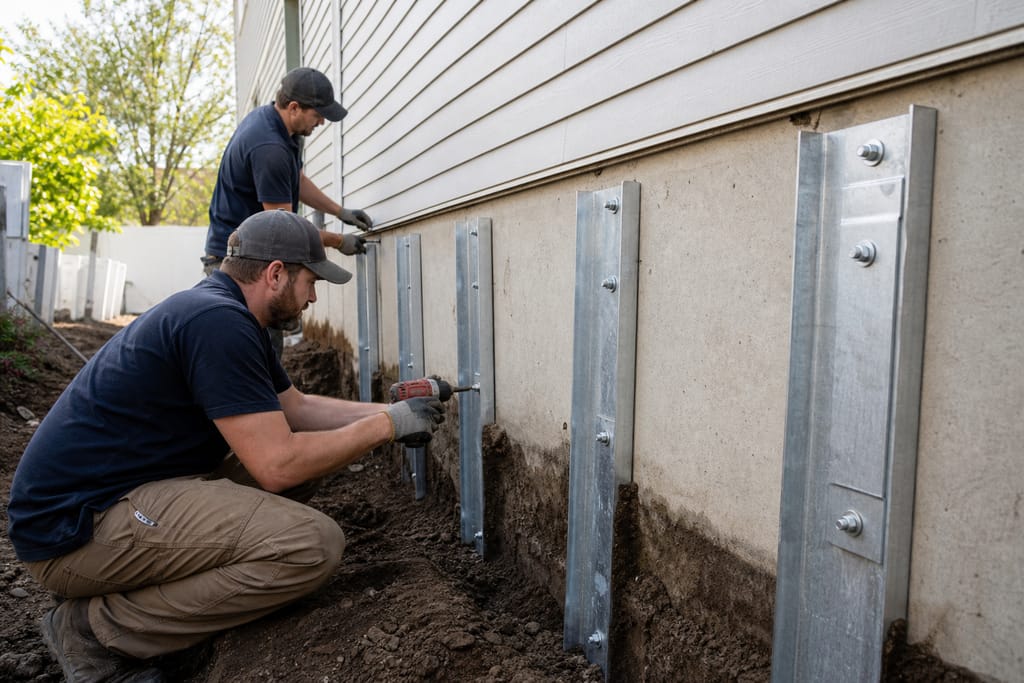
Wall stabilization in Draper, UT uses steel anchors, carbon fiber straps, or I-beams to stop a bowing basement wall, with free estimates and written scope.
Ask about Basement Waterproofing
Tell us about the project and how to reach you.