Riverton Foundation Pros
Wall Stabilization in Draper, UT
Wall stabilization in Draper, UT uses steel anchors, carbon fiber straps, or I-beams to stop a bowing basement wall, with free estimates and written scope.
- 15+ Years local experience
- 500+ Projects completed
- Licensed & Insured
Serving Draper and nearby communities.
Wall stabilization addresses a basement wall that's bowing, leaning, or cracking horizontally under outside soil pressure, which is a different problem than a vertical settlement crack. Hydrostatic pressure builds against foundation walls every spring as snowmelt soaks the soil around Draper's full-basement homes, and that pressure pushes inward until the wall starts to move.
Riverton Foundation Pros measures bow severity before recommending a fix. A wall bowed under half an inch often takes anchors or carbon fiber straps; anything past an inch or showing horizontal cracking usually needs steel I-beams. The goal is stopping movement, not just patching the surface crack that comes with it.
What's included
What's included with Wall Stabilization
Typically included: Optional: Customer prep:
- Wall inspection and bow measurement at multiple points
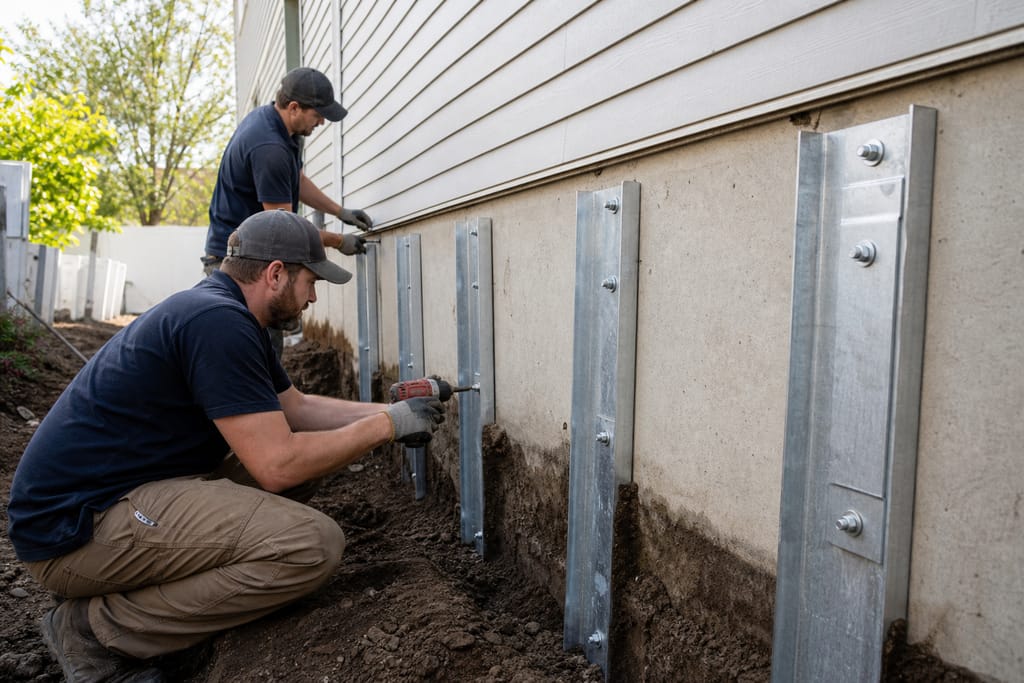
- Anchor, strap, or beam installation based on severity
- Tensioning or securing of the chosen support system
- Crack sealing on the affected wall section
- Exterior soil pressure relief (grading or drain tie-in)
- Moisture barrier coating applied after stabilization
- Clear storage or shelving away from the bowing wall section
- Note when the bow or cracking was first noticed, if known
Want a clearer scope?
Get a Free EstimateHow it works
How our Wall Stabilization process works
 Step 1
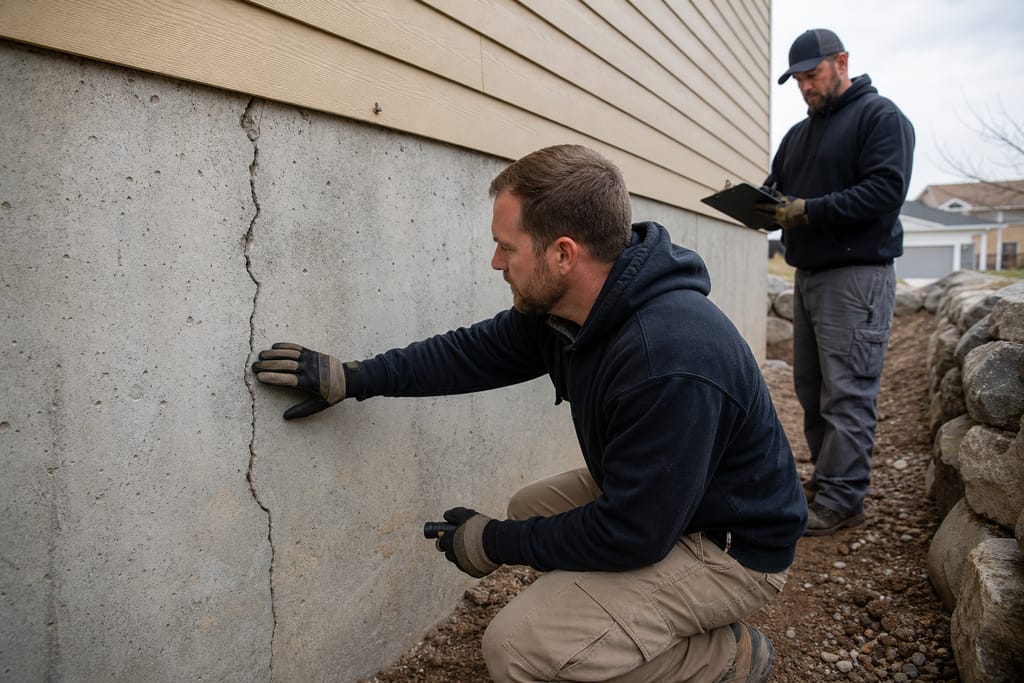
Wall Inspection
Walls are examined for bowing, cracking, or leaning indicators.
 Step 2
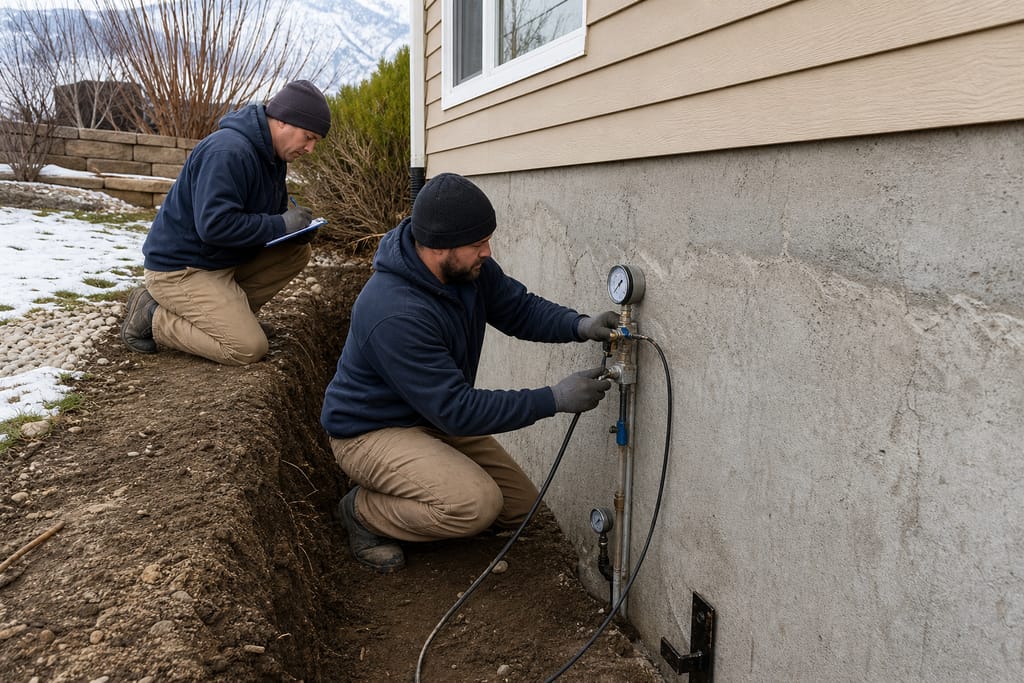
Pressure Assessment
Soil and hydrostatic pressure contributing to wall movement are evaluated.
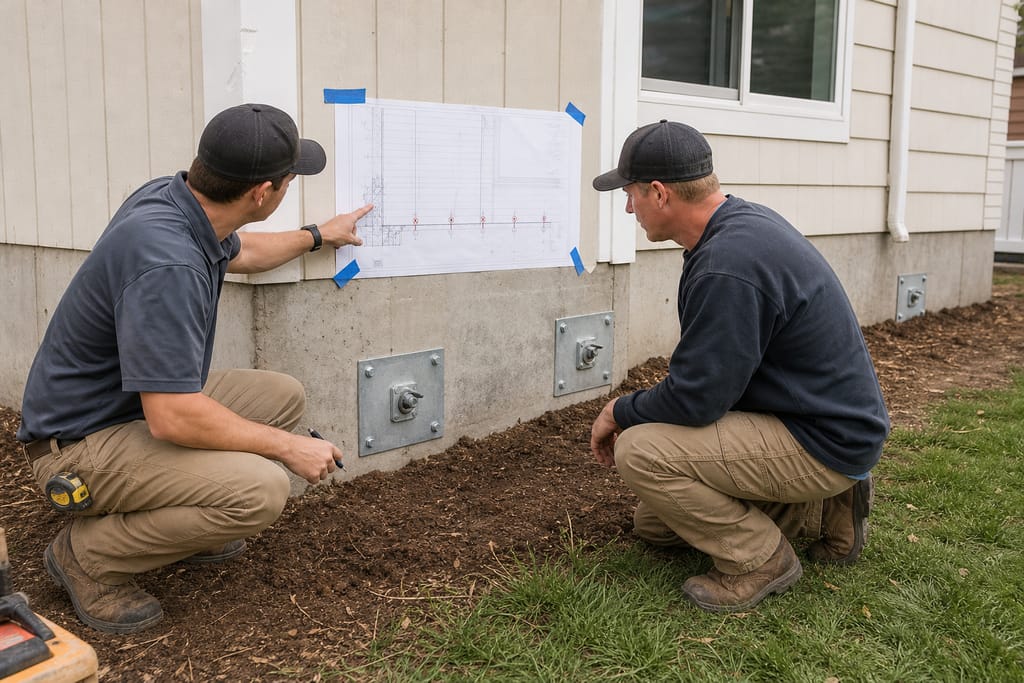 Step 3
Reinforcement Planning
A stabilization method is selected based on wall condition and severity.
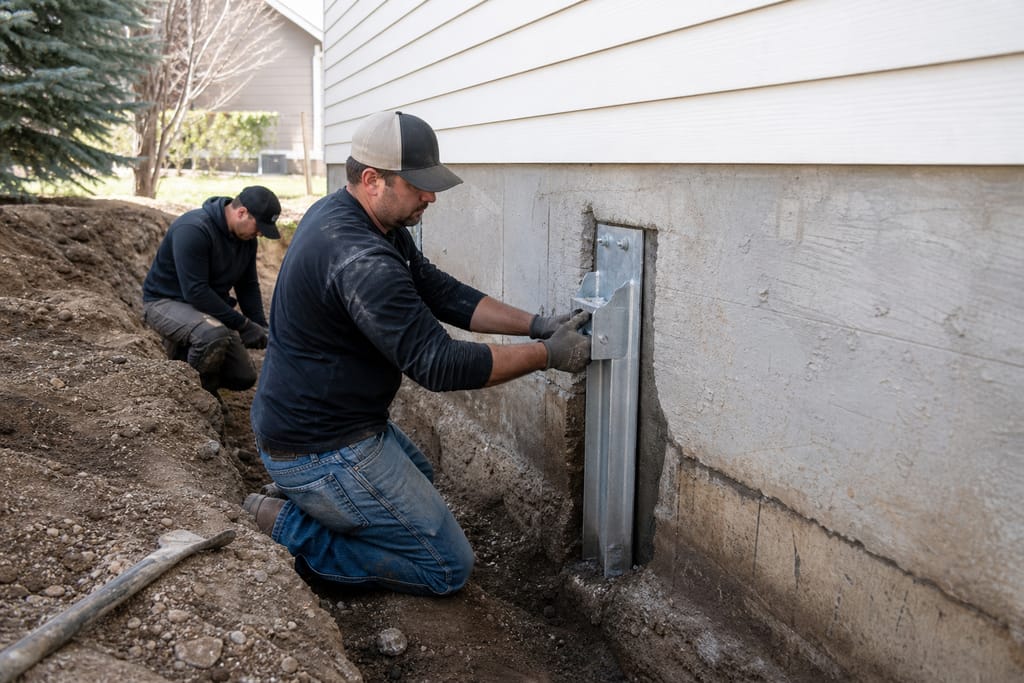 Step 4
Anchor Or Brace Installation
Support systems are installed to halt further wall movement.
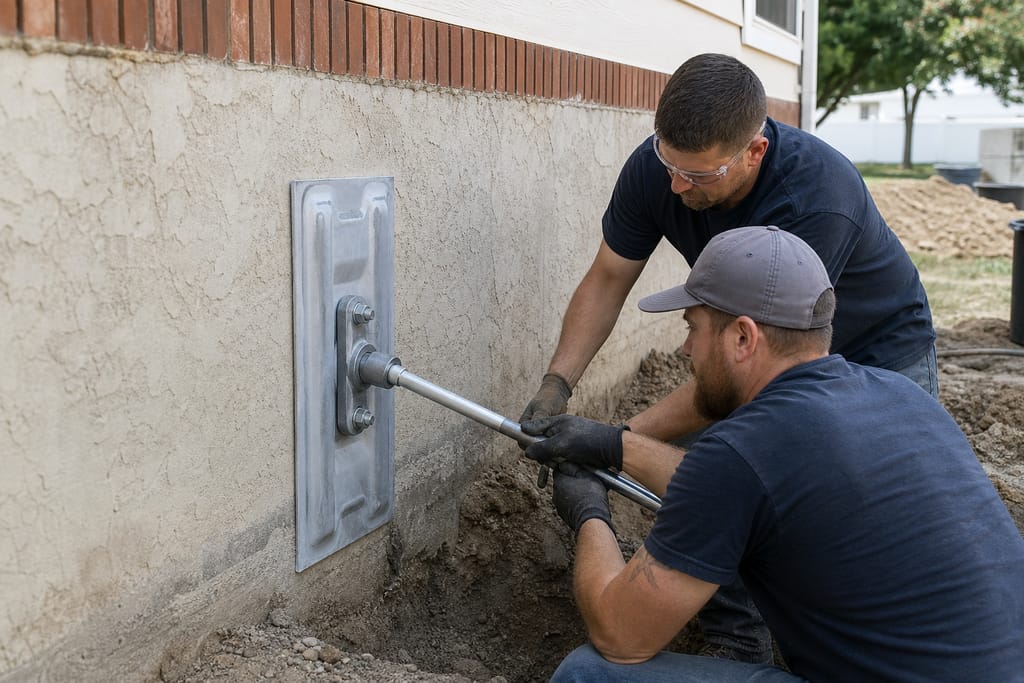 Step 5
Tensioning Adjustment
Anchors or braces are tightened to gradually stabilize the wall.
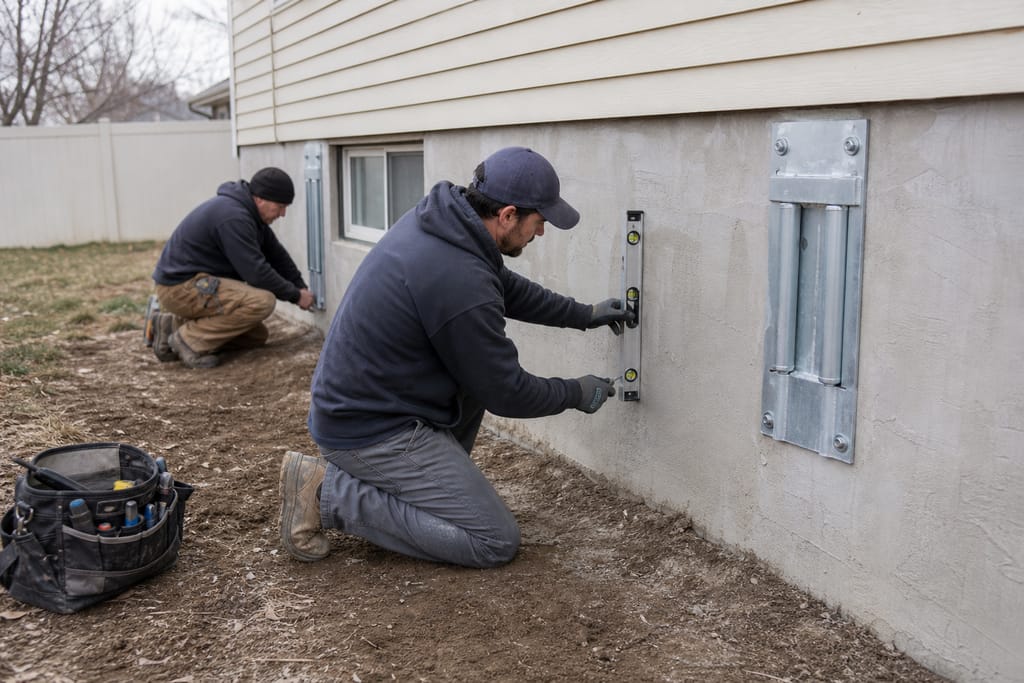 Step 6
Final Inspection
The wall is rechecked to confirm stability and proper installation.
Materials
Materials and methods for Wall Stabilization
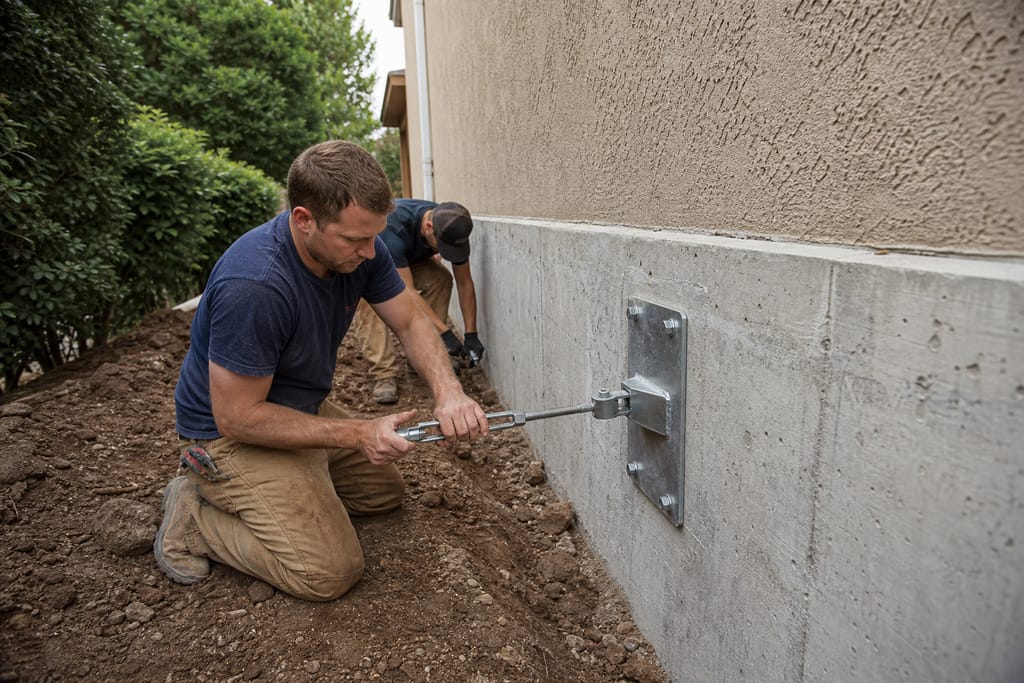
Wall Anchors
Installed in the yard and tightened from inside to counteract pressure pushing the wall in from outdoor soil.
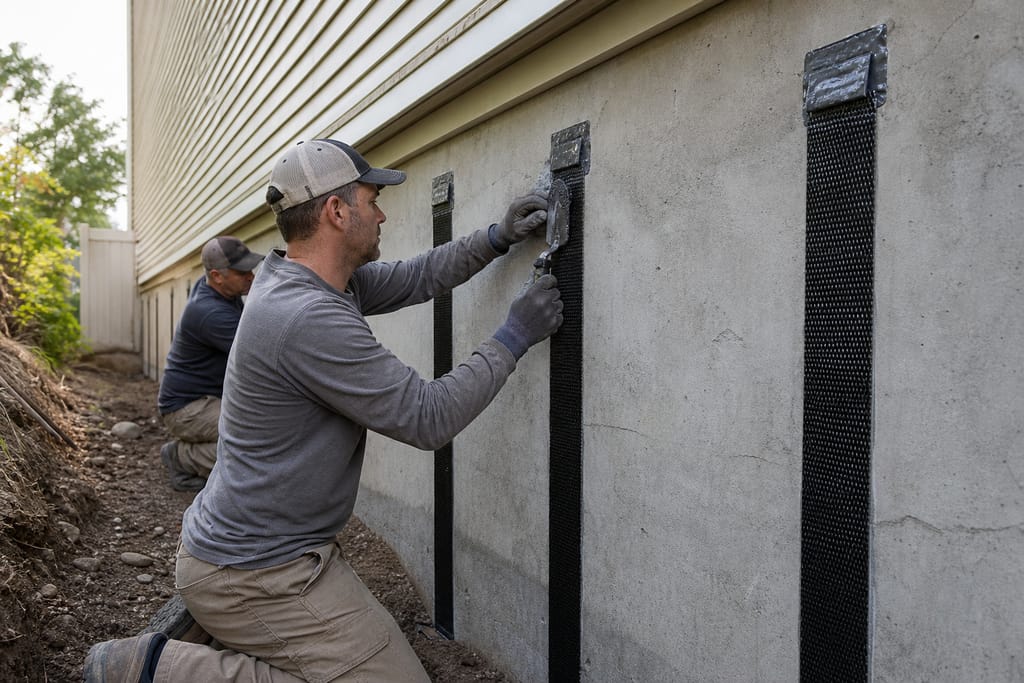
Carbon Fiber Straps
Reinforce a mildly bowed wall without excavating outside, a good fit when yard access near the foundation is limited.
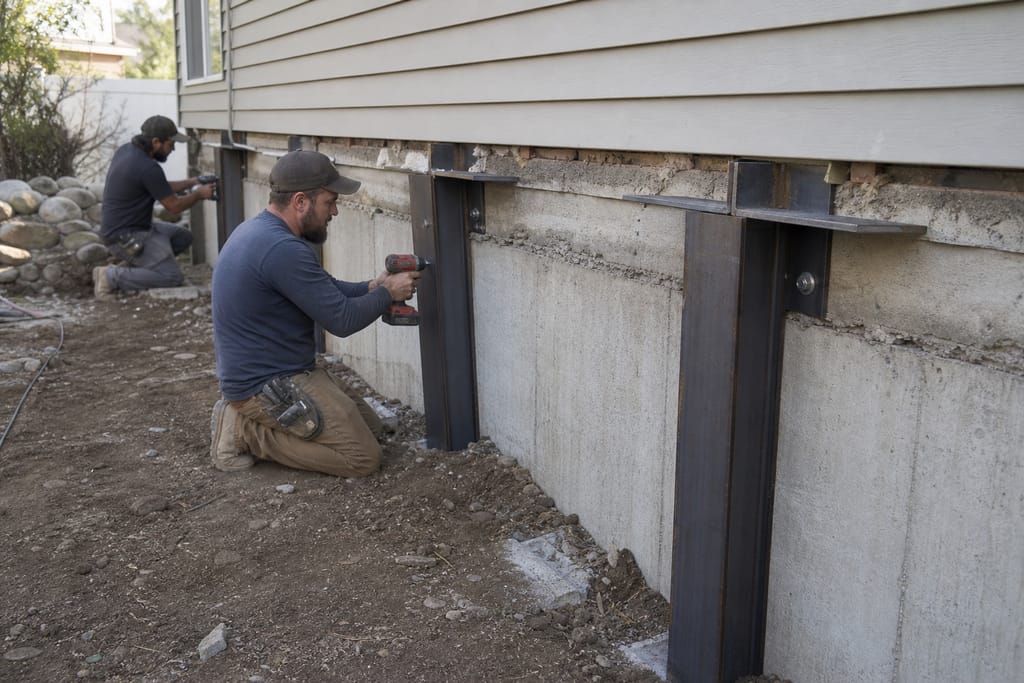
Steel I-Beams
Provide rigid bracing for walls with more advanced bowing, holding the wall in place against ongoing hydrostatic load.
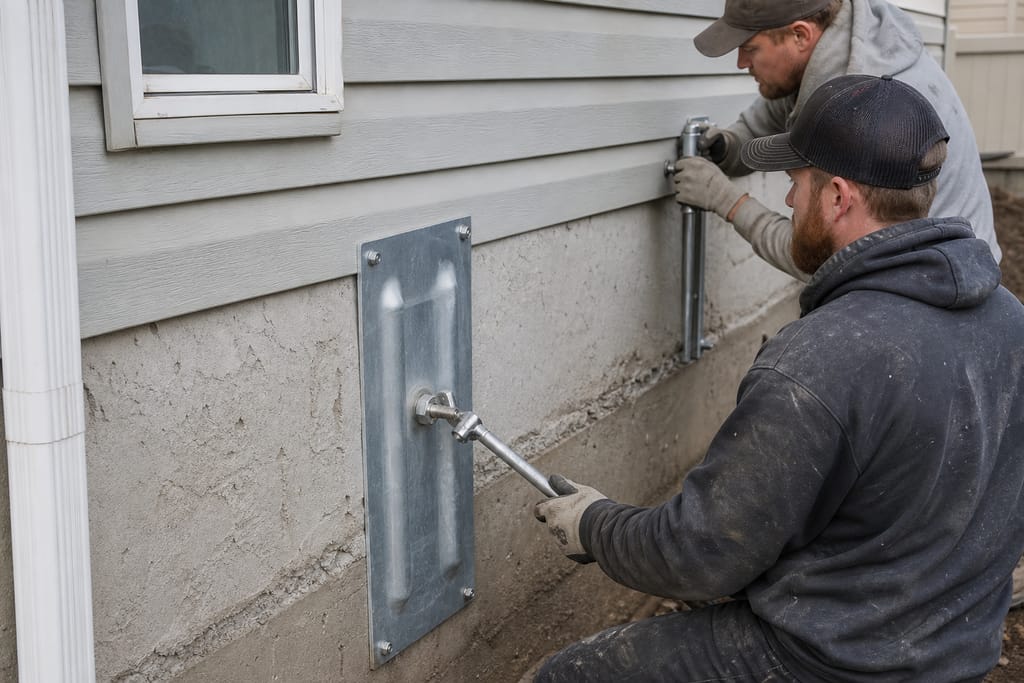
Wall Plates
Spread anchor tension across a wider section of wall instead of concentrating force at one point.
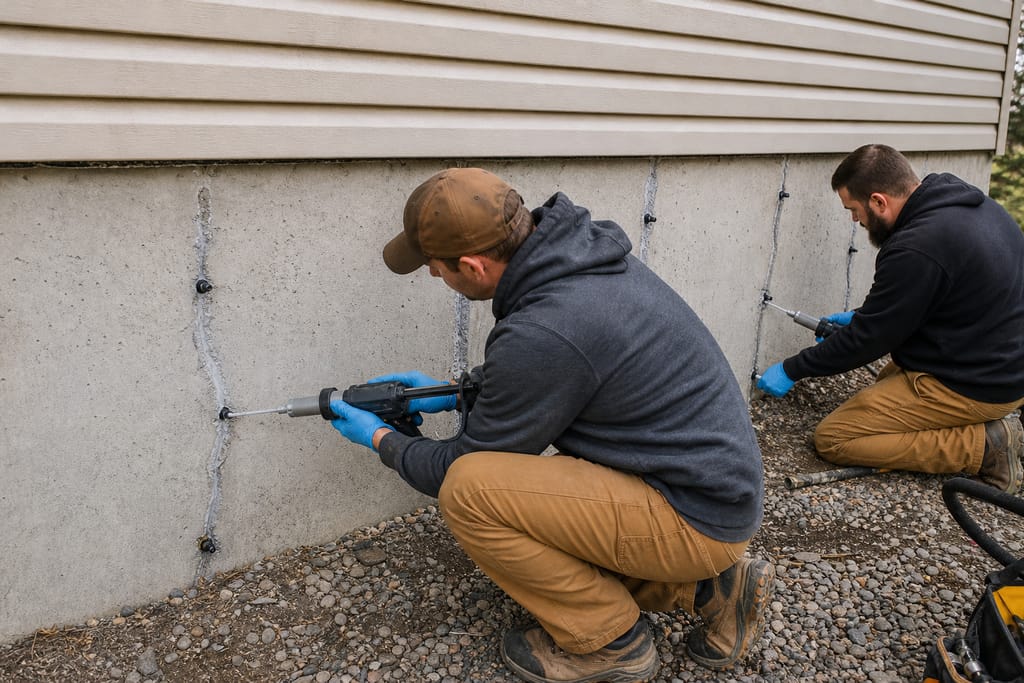
Epoxy Crack Filler
Seals the cracking that usually accompanies a bowing wall before reinforcement goes on.
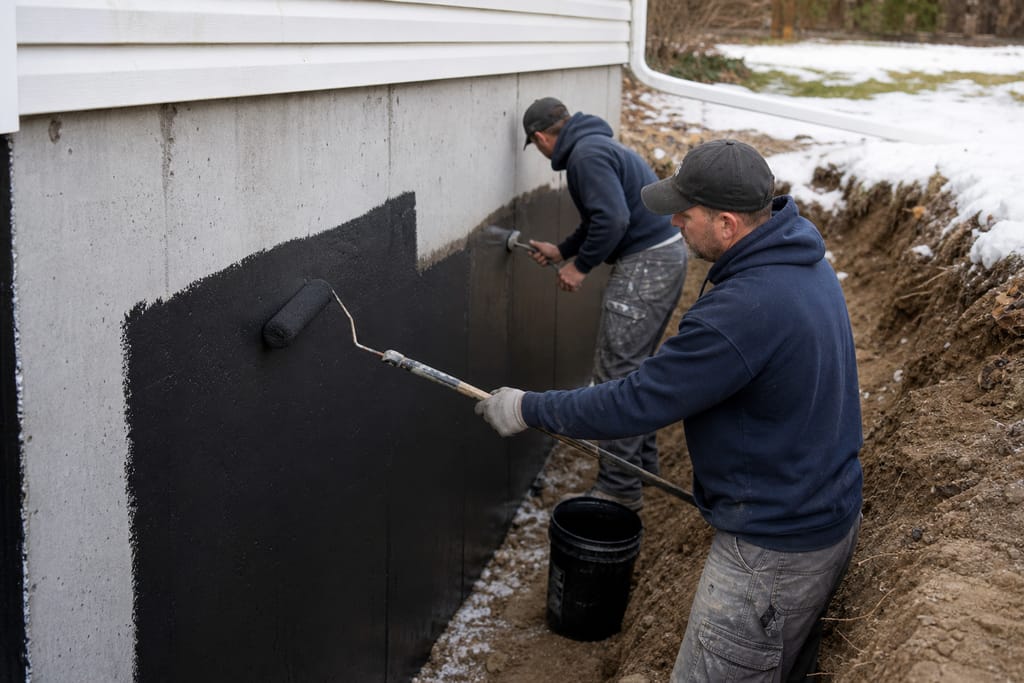
Moisture Barrier Coating
Added after stabilization to reduce future moisture intrusion through the repaired wall.
Questions on materials?
Get a Free EstimateTimeline
How long does a Wall Stabilization take?
Most stabilization jobs are a one or two day install once the method is chosen.
- 01
Consult and bow measurement
same day - 02
Permit filing
1–2 weekswhen anchors or beams require structural permitting
- 03
Anchor or strap install
1 dayfor most single-wall jobs
- 04
I-beam install
1–2 daysfor more advanced bowing
- 05
Final inspection
same dayas install completion
Need a schedule that fits?
Get a Free EstimateBefore & after
Before and after Wall Stabilization results
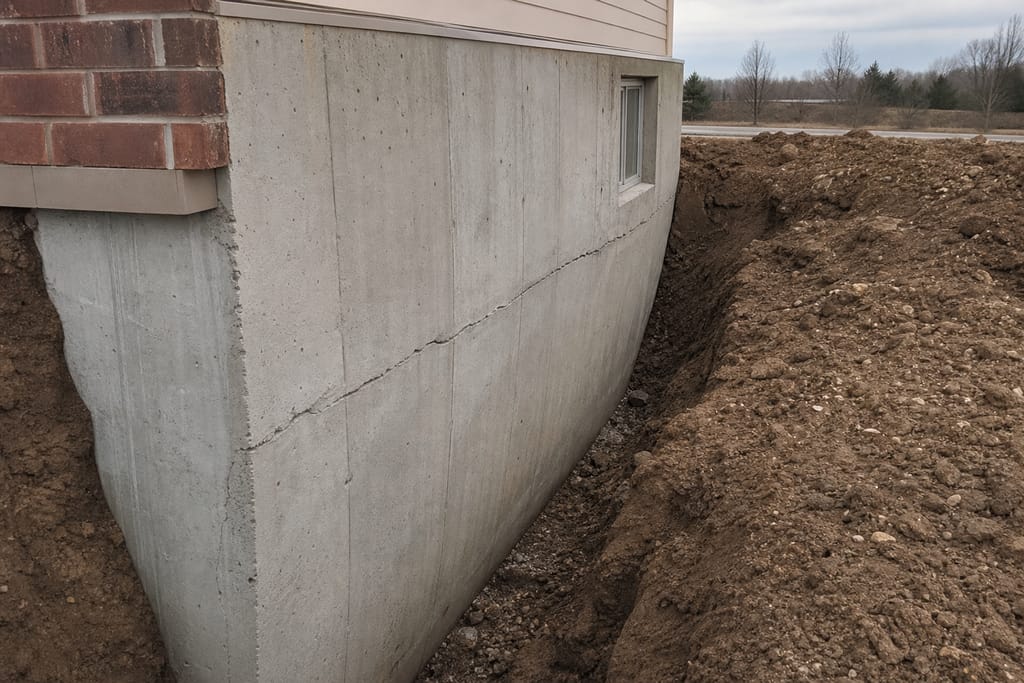
Before 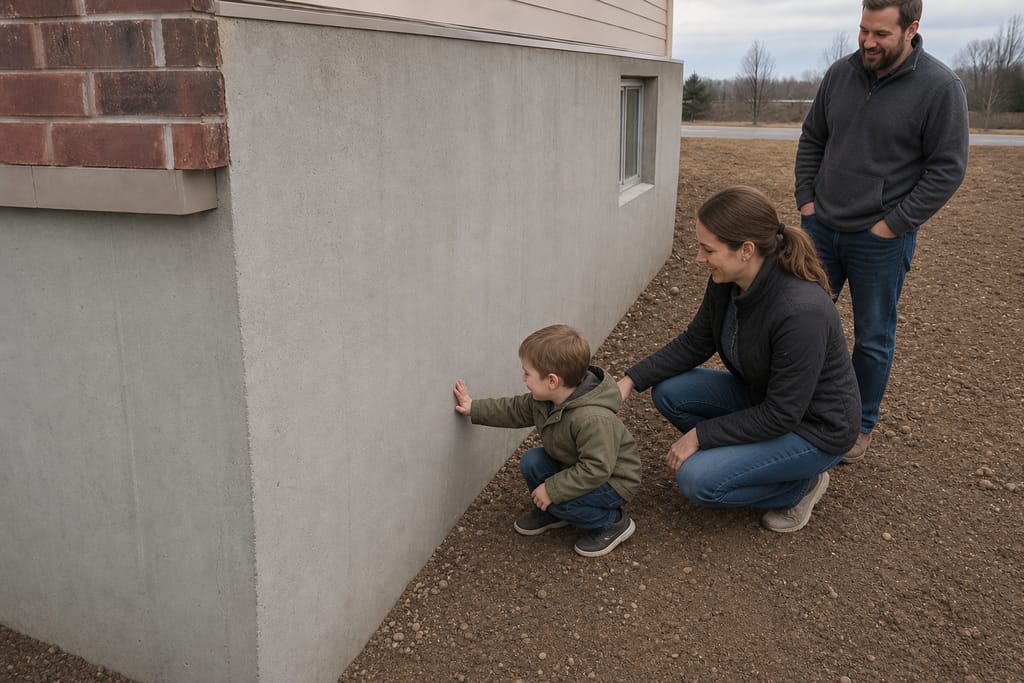
After
FAQs
Wall Stabilization FAQs
What causes basement walls to bow after heavy snowmelt?
Snowmelt saturates the soil against the foundation, which increases hydrostatic pressure pushing on the wall from outside. Walls with poor drainage or compacted clay soil nearby see this more than walls with good grading and drainage.
How much does it cost to fix a bowing basement wall in Utah?
Cost depends on bow severity and wall length. Mild bowing fixed with anchors or carbon fiber straps costs less than advanced bowing needing steel beams, a written estimate after measuring the wall gives you a real number.
Do I need a permit for wall stabilization?
Anchor and beam installation is structural work and typically needs a permit from the city or county. Surface crack sealing on its own usually doesn't.
Can I stabilize a bowing wall myself?
DIY bracing kits aren't rated for real hydrostatic load and can fail or shift over time. Anchors and beams require tensioning calculations that match the actual pressure on the wall, which is why this isn't a weekend project.
When should I call about a bowing wall?
Call once the bow passes a quarter inch, if horizontal cracking appears, or if movement has clearly worsened since last season. Waiting usually means a bigger repair later.
Next step
Get a Wall Stabilization estimate in Draper
Call Riverton Foundation Pros at +1 (385) 600-7881 or request a free estimate. We'll measure the bow and recommend the right system before quoting.
More services
Other Foundation Repair services
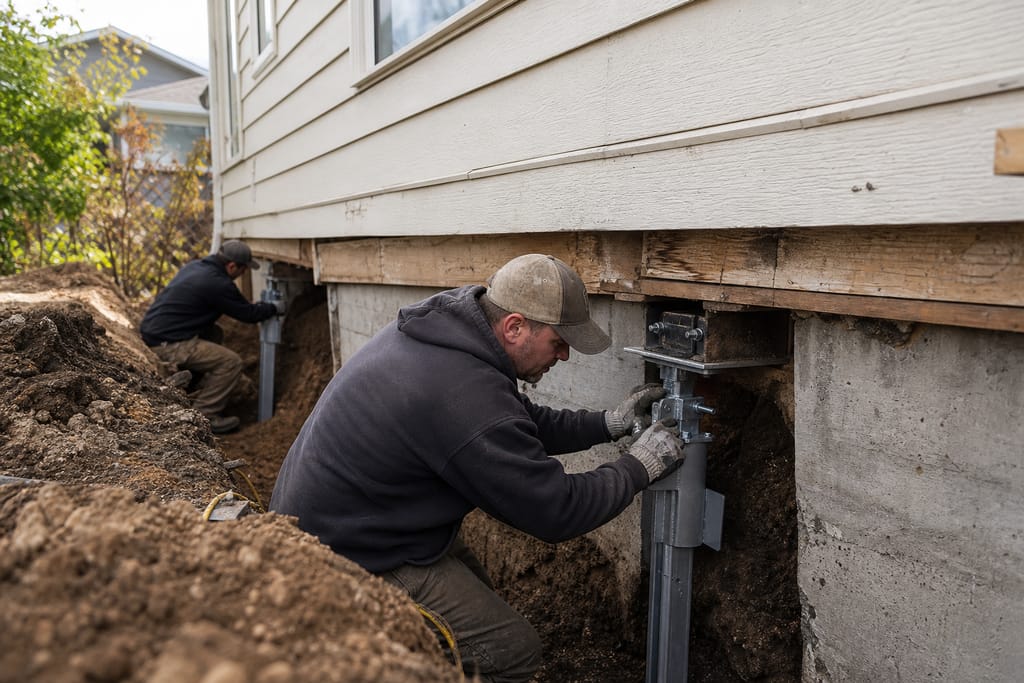
Foundation Repair
Foundation repair in Draper, UT: crack injection, piering, and wall stabilization with free estimates.
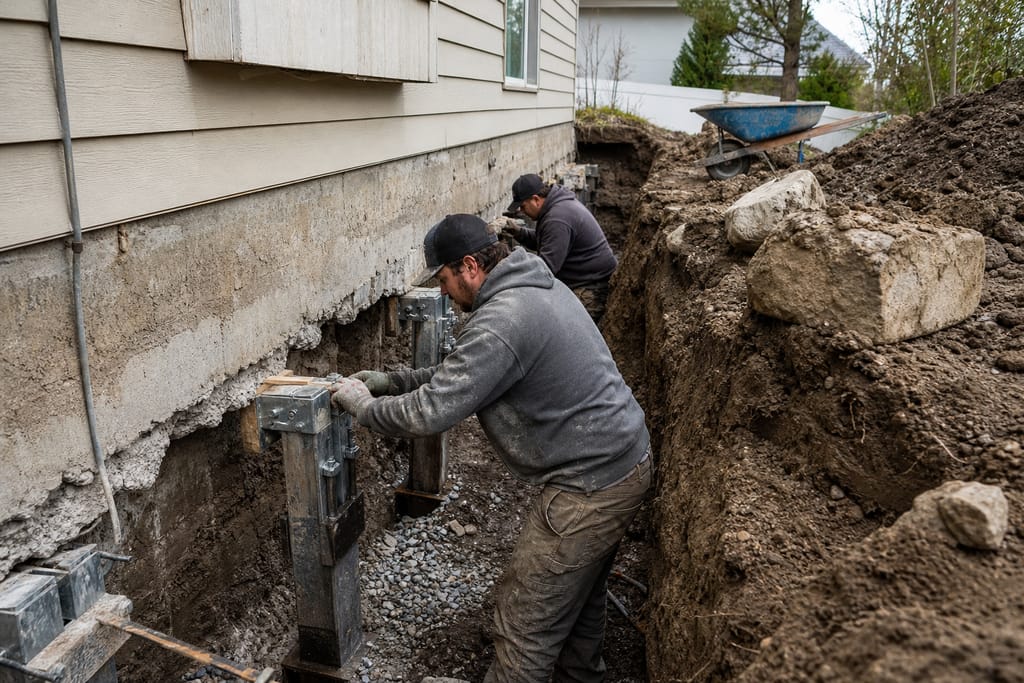
Piering and Underpinning
Piering and underpinning in Draper, UT uses steel push or helical piers to stop foundation settlement, with free written estimates before any digging.
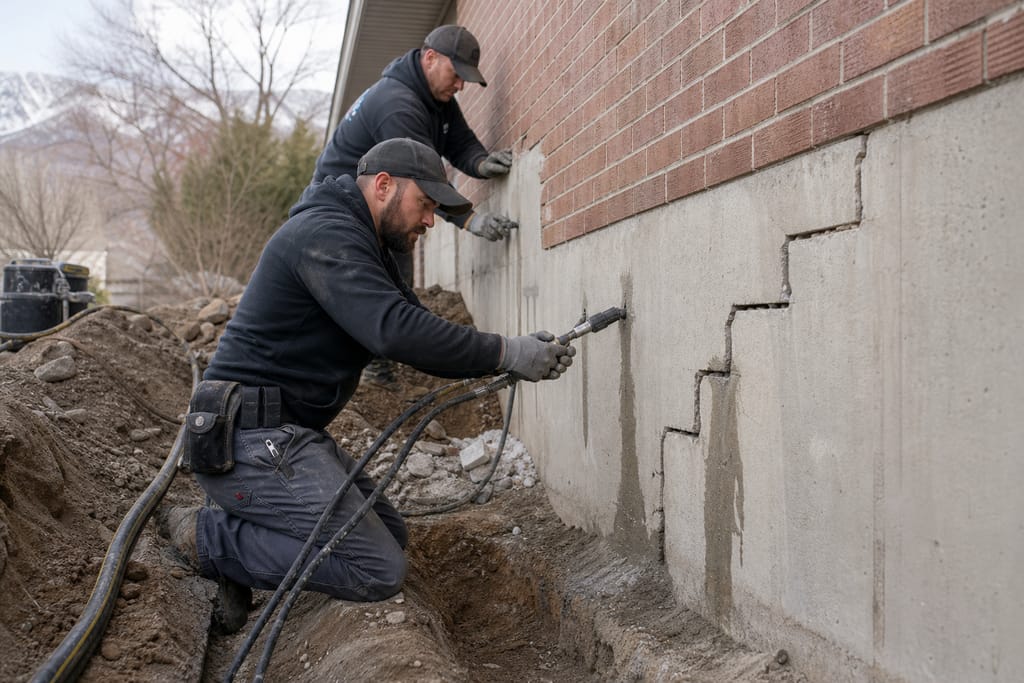
Foundation Crack Repair
Foundation crack repair in Draper, UT seals structural and leaking cracks with epoxy or polyurethane injection, with free estimates and same-day options.
Ask about Wall Stabilization
Tell us about the project and how to reach you.